logo mali bijeli okvir.fw

General information

THE PROCLAMATION DATE:  October 19th, 1949

THE HIGHEST PEAKS: Vaganski vrh (1757 m a.s.l.) and Sveto brdo (1753 m a.s.l.)

INTERNATIONAL DESIGNATIONS:

- Velebit Mountain Biosphere Reserve (UNESCO MaB), February 10th, 1978
- Ecological network NATURA 2000  December 1st, 2014
- UNESCO World Heritage Site, July 7th, 2017

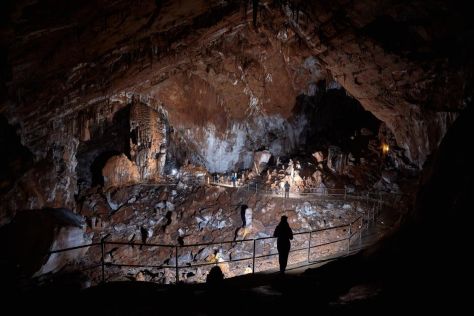
"Manita peć" Cave

 MG 5015Manita pec
Among 115 speleological objects so far known in the Paklenica National Park, Manita peć is the most famous among the visitors, as it is the only show cave made accessible to the public through guided visits. The cave's broad chambers and the beauty of its speleothems have been enchanting visitors since 1937. It is located at an altitude of 570 m a.s.l, and the walk up from the parking lot at Velika Paklenica takes about 1.30 h.

More

Hiking trails

Planinarski dom Šime Sorić meni module

Hiking is the only way to truly get to know Paklenica. The Park area contains 150-200 km of trails and paths, from those characterized as tourist trails - leading from Velika Paklenica canyon to Manita peć cave, Lugarnica foresters house and Paklenica Mountain hut, to those characterized as hiking trails - leading to the highest peaks of the Velebit Mountain.


More


 DSC 6311

Climbing site

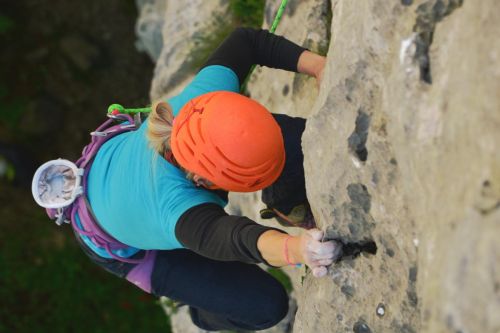
Paklenica National Park is the most visited climbing center in Croatia, also popular outside Croatia. The close proximity of seawater gives this climbing site a special charm, making Paklenica Riviera an ideal place to combine climbing and water sports. Today, there are about 600 well-equipped marked routes of different difficulty and length (from grade 3 to 8b+), set in the carbonate rocks, so each climber can find something to his/her liking.

More

X
       Specific WH EN bossen Positief
Park

Park (44)

24 April 2023

Healthy Forest Regions

Written by

HealthyForestRegions Logo Standard large

Project title:  Healthy Forest Regions: Supporting Healthy Forest Ecosystems for human well-being in Forest Regions

Project acronym: HealthyForestRegions (HFR)

Project ID: CE0100310

Program: Interreg Central Europe

Name of the Lead partner organization: Eberswalde University for Sustainable Development

Project partners: Nature and Geopark Styrian Eisenwurzen (Austria), National Forest Centre (Slovakia), Slovenia Forest Service (Slovenia), Angermünde City Administration (Germany), LAG Frydlantsko (Czech Republic), Czech University of Life Sciences Prague (Czech Republic), Public Institution Paklenica National Park (Croatia), Municipality of Kočevje (Slovenia).

Associated partners: Northern Velebit National Park Public InstitutionVelebit Nature Park Public Institution, Österreichisches Bundesministerium für Klimaschutz, Umwelt, Energie, Mobilität, Innovation und TechnologieNationalpark Gesäuse, Nationalpark KalkalpenSchutzgebietsverwaltung Wildnisgebiet Dürrenstein-LassingtalNaturpark Ötscher-Tormäuer, Obec UličMinisterstvo pôdohospodárstva a rozvoja vidieka SR, Ministrstvo za okolje in prostor, Slovenski državni gozdovi, d. o. o.Agentura ochrany přírody a krajiny – regionální pracoviště LibereckoDobrovolný svazek obcí Mikroregion Frýdlantsko, Liberecký kraj - odbor životního prostředí a zemědělství, Lesopoľnohospodársky majetok Ulič, štátny podnikMinisterstvo životného prostredia SRStadt EberswaldeSpráva Národného parku PoloninyAgentura ochrany přírody a krajinyBildungswerk Angermünde e.V.Freie Schule AngermündeGrundschule Gustav-Bruhn, Kita Spatzenhaus, Landkreis UckermarkNaturwacht Brandenburg - Stiftung Naturschutzfonds BrandenburgPuschkinschule Angermündetmu Tourismus Marketing Uckermark GmbHEuropean Beech Forest Network (EBFN e.V.), Coordination office for the UNESCO World Heritage Site "Beech Forests", Amt JoachimsthalGeopark Eiszeitland am Oderrand e.V.Sonian forest foundationUNESCO Biosphärenreservat Schorfheide-ChorinKultur- und Heimatverein e.V. Altkünkendorf.

Project summary: The project tackles the CE-wide challenge of declining forest ecosystem functionality and the loss of biodiversity, resulting from unsustainable forest management practices, intensified by negative impacts from accelerating climate change, both affecting forest ecosystem services (ES) provision for human well-being and territorial resilience. Therefore, the project has the objective to create commitment of policy- and decision-makers and enable key stakeholders to safeguard forest ecosystem functionality, enhancing biodiversity conservation and securing the provision of forest-based ES with further positive effects for sustainable regional development. To achieve this, the project will operationalize the potential for capitalizing on forest ES for local and regional benefits and develop/pilot innovative solutions for a transition to ecosystem-based forest management. The project’s outputs include strategies for communicating the value of healthy, functional forests and their ES contributing to human health and well-being, and further strategies and action plans for prioritization of regional ES to safeguard forest ecosystem functionality. A set of jointly/transnationally developed pilot actions leads to the territorial implementation of solutions for the integration of knowledge through educational work and realizing regional added value for local stakeholders from different sectors. Furthermore, concrete concepts and tools for marketing forest ES are operationalized for the creation of alternative income generation from forests. In this context, the project creates commitment of policy- and decision-makers for cooperation and knowledge exchange with regard to safeguarding forest ecosystem functionality. The project operationalizes the concept of Healthy Forest Regions (HFR) in different regional contexts, where institutional and public commitment and awareness for safeguarding forest ecosystems are territorially integrated on the local and regional levels.

Project objective:  The overall objective is to create commitment of policy- and decision-makers and key stakeholders in Healthy Forest Regions (HFR) for enhancing forest ecosystem functionality, safeguarding biodiversity and ecosystem services (ES) for human wellbeing and strengthening sustainable regional development. Therefore, the project will operationalize the potential of capitalizing on forest ES for local and regional benefits and develop solutions for a transition to ecosystem-based forest management.

Project elements

Work package 1 (WP1):  Promotion of forest ecosystem-based sustainable regional development for human well-being in HFR.

  • Joint development of an Interpretation Plan for „Healthy Forest Regions “
  • Exploring, defining and implementing options for the dissemination and integration of knowledge about the contributions of healthy forest ecosystems to human well-being in educational work.
  • Exploring, defining and implementing options for the creation of secondary benefits for local stakeholders thriving on contributions of regional healthy forest ecosystems to human well-being in HFR.

Work package 2 (WP2): Reimbursement systems for forest ecosystem services - exploring and implementing new opportunities.

  • Mapping and assessing the current state of forest-based ES
  • Development of alternative forest management action plans for the target regions
  • Exploration of potential markets for forest-based ES and development and test implementation of PES (ES products) schemes.

Work package 3 (WP3): Developing operational frameworks for safeguarding forest ecosystem functionality in HFR

  • Regional analysis and determination of socioecological framework conditions in targeted HFR
  • Regional analysis and determination of the institutional framework conditions in project target regions
  • Participatory development of a set of regional strategies for safeguarding forest ecosystem functionality in selected project target regions

Work packages PI Paklenica NP is involved in: WP1 and WP3

Total eligible budget: 2.782.712, 00 EUR

Program funding: 2. 226.169,00 EUR (80%)

Eligible budget for partner PI Paklenica NP: 206.400,00 EUR

Project start: April 1st, 2023

Project end: March 31st, 2026

Project duration: 36 months

Project web page: under construction

12 December 2022

Natura 2000

Written by

Natura 2000 is an ecological network composed of areas important for the preservation of endangered species and habitat types in the EU. Its goal is to conserve or re-establish favorable conditions for more than thousands of endangered and rare species and around 230 natural and semi-natural habitat types.

So far, this ecological network includes 27.500 areas in almost 20% of the EU territory, which makes it the biggest network of protected areas in the world. Natura 2000 is based on the EU directives, areas are selected by scientific standards and management considers the interests and well-being of people that live in those areas.

Ecological network Natura 2000 is one of the basic mechanisms of nature protection in the EU. Every state member contributes to the Ecological Network by selecting the most important areas for each species of interest and habitat type.

The areas selected for the Ecological Network are chosen exclusively based on the scientific criteria and they need to ensure the long-term preservation of favorable conditions with their surface and positioning.

Paklenica National Park, as a part of the Ecological Network Natura 2000 is an area significant for species and habitat types.

Site ID

SITE NAME: Paklenica National Park

SITE CODE:  HR2000871

AREA (ha): 9.507,56

BIOGEOGRAPHICAL REGIONS:  ALPINE and MEDITERRANEAN

Species referred to in Article 4 of Directive 2009/147/EC and listed in Annex II of Directive 92/43/EEC  

NATURA 2000

code

Species English

name

Species Scientific

name

Group
1083 Stag Beetle Lucanus cervus Invertebrata
1087 Alpine Longihorn Rosalia alpina*
1088 Great capricorn beetle Cerambyx cerdo
1089   Morimus asper funereus
4019 Leptodirus Leptodirus hochenwartii
6337 The meadow viper Vipera ursinii macrops* Reptiles
1303 Lesser horseshoe bat Rhinolophus hipposideros Mammals
1304 Greater horseshoe bat Rhinolophus ferrumequinum
1308 Western barbastelle Barbastella barbastellus
1310 Common bent-winged bat Miniopterus schreibersii
1321 Geofroy's bat Myotis emarginatus
1323 Bechstein's bat Myotis bechsteinii
1324 Greater mouse-eared bat Myotis myotis
1352 Wolf Canis lupus
1354 Brown bear Usrus arctos
1361 Lynx Lynx lynx
6338 Balkan snow vole Dinaromys bogdanovi
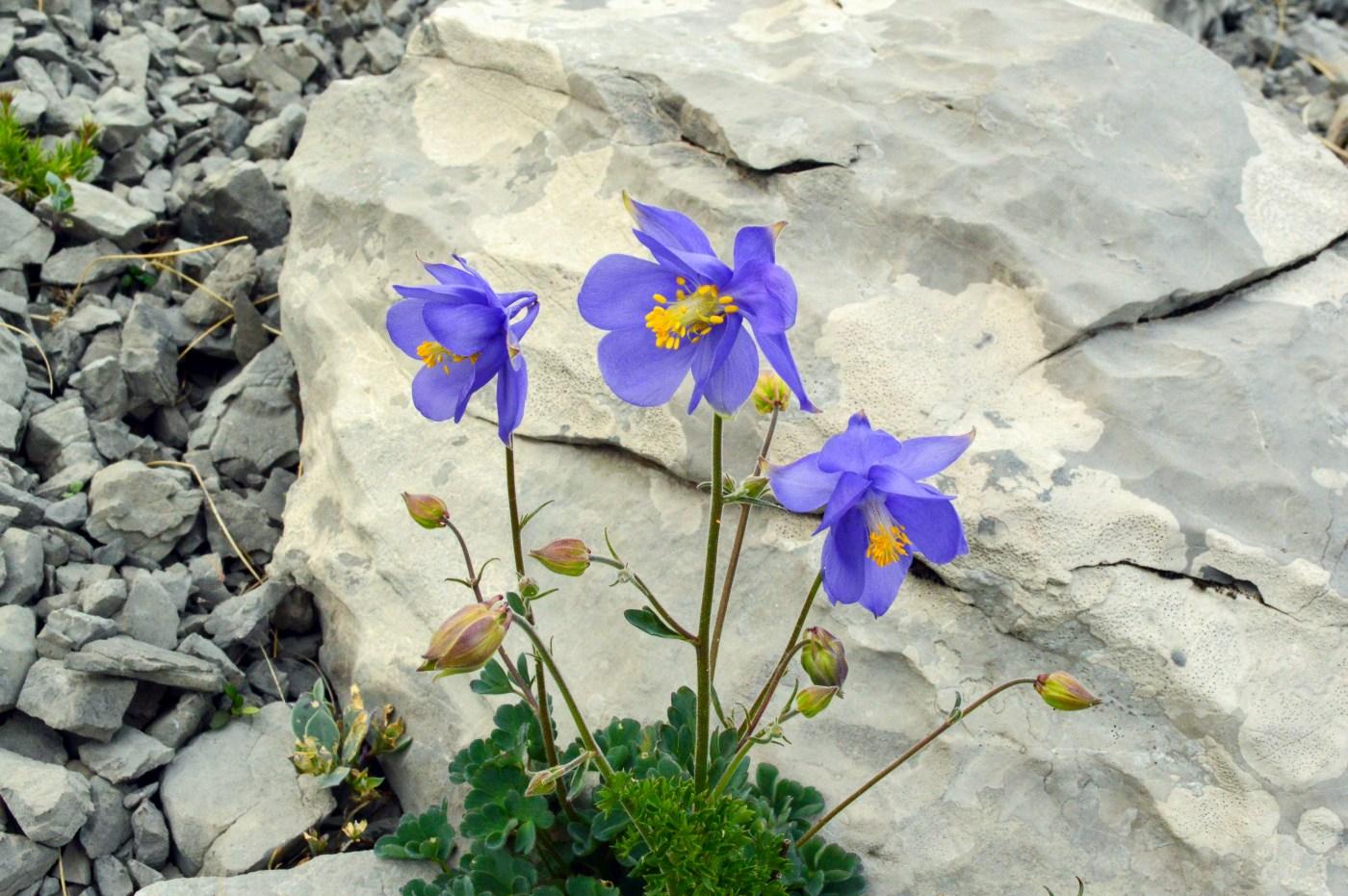
1473 Columbine Aquilegia kitaibelii Plants
1547   Genista holopetala
1604 Alpine Sea holy Eryngium alpinum
1902 Lady's slipper orchid Cypripedium calceolus
4072   Cerastium dinaricum
2093 Greater Pasque flower Pulsatilla grandis
4089 Scopoli's rockcress Arabis scopoliana


Habitat types present on the site

 Habitat type code Habitat type name
4070 Bushes with Pinus mugo and Rhododendron hirsutum (Mugo-Rhododendretum hirsuti)
5130 Juniperus communis formations on heaths or calcareous grasslands
5210 Arborescent matorral with Juniperus spp.
6170 Alpine and subalpine calcareous grasslands
8120 Calcareous and calcshist screes of the montane to alpine levels (Thlaspietea rotundifolii)
8140 Eastern Mediterranean screes
8210 Calcareous rocky slopes with chasmophytic vegetation
8310
Caves not open to the public
91K0 Illyrian Fagus sylvatica forests (Aremonio-Fagion)
9530 (Sub-) Mediterranean pine forests with endemic black pines


29 May 2019

UNESCO World Heritage List

Written by

Cultural and natural heritage is counted among invaluable and indispensable goods, not just for each country, but for all humanity. Loss of any of these invaluable goods because of deterioration or disappearance means impoverishment of the heritage of all nations of the world. Parts of this heritage, due to their exceptional characteristics, can be considered as goods of "outstanding universal value" and as such, they deserve special protection from the dangers they are increasingly threatened by.

Having been included in the World Heritage List in 2017, the beech forests in the area of Paklenica National Park and the Northern Velebit National Park belong to globally significant localities.

DSCF9719 1

UNESCO is an organization that has been implementing the idea of the need to preserve the world's natural and cultural heritage since 1972, when the Convention Concerning the Protection of the World's Cultural and Natural Heritage was adopted. The purpose of the Convention is to identify, protect, conserve, present and transmit to future generations the cultural and natural heritage of outstanding universal value. One of the most important instruments of the Convention is the inclusion of heritage into the UNESCO World Heritage List. The main basis for inclusion in the Natural Heritage List is that a heritage asset has an outstanding universal value under one of the four criteria:

- areas of exceptional natural beauty and aesthetic importance

- areas representing major stages of Earth's history, significant geological processes and possessing significant geomorphic or physiographic features

- areas representing an example of ecological and biological processes in the evolution

- areas which are most significant natural habitats for in-situ conservation of biological diversity

The beech forests of Paklenica National Park and Northern Velebit National Park were listed on UNESCO World Heritage List on 7 July 2017, and together with the beech forests of Albania, Austria, Belgium, Bulgaria, Italy, Germany, Romania, Slovakia, Slovenia, Spain and Ukraine comprise the whole of "Ancient and Primeval Beech Forests of the Carpathians and Other Regions of Europe". For inclusion in the UNESCO World Heritage List, as Croatian representatives of the primeval beech forests, two sites were selected, one within the boundaries of Paklenica NP (Suva draga-Klimenta and Oglavinovac-Javornik) and the other part within the borders of Northern Velebit NP (Rožanski and Hajdučki kukovi).

DSC 1329 1

The beech forests of Paklenica and Northern Velebit National Parks represent exceptionally preserved and undisturbed forest ecosystems, whose authenticity and integrity have been secured by years of protection. They are a valuable part of the European primeval beech forests and an important haven for many species, some of which, like the bear, lynx, wolf, stag beetle, longhorn beetle, and holly, peony or forest orchids, are endangered worldwide.

DSC 2510 1

Beech is one of the most important species in deciduous temperate forests. It represents a remarkable example of re-invasion of space and development of forest communities after the last glaciation, across the whole of Europe, under a variety of environmental conditions (climatic and geographic) and over a relatively short period of time. It is a process that continues even today.

With the development of civilization and the cultivation of forest areas, significant forest areas have disappeared all over Europe, including beech forests. Many of the beech forests that are still in existence are used for economic purposes, which harms their authenticity. It is estimated that, before human intervention, ancient beech forests in Europe occupied 91 million hectares. Today, primeval beech forests occupy an area of only 90,000 hectares.  The only examples of primeval beech forests that can still be explored for their intactness and true preservation are limited to relatively small areas, so it was necessary to unify these remains throughout Europe, under one natural good and with one goal, which is joint care.

In 2021, the Unesco World Heritage Series “ Ancient and Primeval Beech Forests of the Carpathians and Other Regions of Europe” was extended with 6 additional States Parties (Bosnia&Herzegovina, Czechia, France, North Macedonia, Poland, and Switzerland). This extension added 15 new protected areas to the network. And more precious forest areas in other countries could follow. The entire World Heritage Site comprises the few remaining European primeval beech forests and centuries-old European beech forest areas, which are almost unaltered by humans.

This World Heritage series is currently the largest serial World Heritage property. With 93 sites in 18 countries, it is the only World Heritage Site globally that connects so many component parts. It covers areas in Albania, Austria, Belgium, Bosnia& Herzegovina, Bulgaria, France, Germany, Italy, Croatia, Czechia, North Macedonia, Poland, Romania, the Slovak Republic, Slovenia, Spain, Switzerland, and the Ukraine. This requires collaboration across boundaries and illustrates the close relationship of the beech forest with European culture.  

Ancient and Primeval Beech Forests of the Carpathians and Other Regions of Europe as a transboundary property is under the joint care of 18 countries in whose territories the individual components are located, and the care is provided through regular meetings and development of joint projects and management documents. More info on the Property is available on the following link: European beech forests 

Specific WH EN bossen Positief


11 February 2019

BEECH POWER

Written by
BEECH POWER CMYK
 
Project program: Interreg Central Europe
 
Project title: World heritage BEECH Forests: emPOWERing and catalyzing an ecosystem-based Sustainable Development

Project acronym: BEECH POWER

Project index number: CE1340

Lead partner organization: Eberswalde University for Sustainable Development, Germany

Project partners: European Wilderness Society, Austria; Kalkalpen National Park, Austria; Angermünde City Administration, Germany; Slovenia Forest Service, Slovenia; National Forest Centre, Slovakia; PubliC Institution Paklenica National Park, Croatia

Associated partners: Austrian Federal Ministry of Sustainability and Tourism; Ministry of Rural Development, Austria; Environment and Agriculture of the Federal State of Brandenburg, Germany; CEEweb for Biodiversity, Hungary; State Nature Conservancy of Slovak Republic, Slovakia; Hainich National Park, Germany; Biosphere Reserve Schorfheide-Chorin, Germany; Ministry of the Environment and Spatial Planning, Slovenia; Municipality Loška dolina, Slovenia; Municipality Kočevje, Slovenia; European Beech Forest Network e.V., Germany; World Natural Heritage Beech Forest Grumsin e.V., Germany; Ministry of the Environment of the Slovak Republic; Slovakia; Municipality of Starigrad, Croatia

Short description of the project: The UNESCO World Heritage (WH) Site „Ancient and Primeval Beech Forests of the Carpathians and Other Regions of Europe“ represents the most complex transnational serial natural site in the UNESCO portfolio – comprising 78 component parts in 45 protected areas (PAs) in 12 countries. The program area shares almost 25% of the components parts distributed in 5 countries (AT, DE, HR, SK, and SI). While local management units of the component parts face similar challenges, i.e. concerning buffer zone management, the respective environmental and socio-economic contexts differ considerably on the local and national levels. The project takes an ecosystem-based and participatory approach working on different administrative levels to anchor the WH site in sustainable regional development and produce replicable and innovative models for WH beech forests and their local surroundings.

The main objective: The main project objective is to improve the management quality and effectiveness of the WH site to safeguard the ecosystem integrity of the single component parts by improving capacities and active participation possibilities of relevant stakeholders.

The main project outputs: The main outputs are guidelines and strategies for stakeholder participation and regional development, a handbook for buffer zone management, recommendations for visitor management, a communication concept, and a Beech Forest Quality Standard that support protected area administrations, public authorities, and actors from civil society in their daily work. The results will be applicable for other WH component parts outside the program area

The main project elements: Empowering World Heritage Beech communities as a model for ecosystem-based sustainable development; Creation of a sustainable model for buffer zone management around World Heritage Beech forests; Development of an exemplary European Beech Forest Quality Standard and Certification System; Communication.

Total project budget: 1.864.328,98 EUR

ERDF Co-financing: 1.525.058,32 EUR

Project implementation period: 1.4.2019 – 31.3.2022

Project website: www.interreg-central.eu/BEECH-POWER

More information: www.european-beech-forest.network

NEWS ABOUT THE PROJECT IMPLEMENTATION


The third meeting of the local working group Education, interpretation, promotion, and visibility

As a follow-up to the second meeting of the local working group, PI Paklenica NP and external expertise organized the third on-line meeting of the working group Education, Interpretation, Promotion, and Visibility which was held on March 16th 2021

Meanwhile, the members of the working group developed and provided elements for the two activities which were selected for more detailed elaboration and share the content that would be part of those activities.

A total of 49 ideas were received of which, 26 ideas were received for the activity Development of the education material for beech forests and education props, and 23 ideas were received for the activity Promotion of the WH site through printed materials - leaflets, picture books, worksheets and other materials - design, printing materials.

Meanwhile, PI Paklenica NP was working on the selection of ideas that were evaluated in the previous meeting. Of 27 ideas, PI Paklenica NP selected 18 ideas to be included in the Working Program. The criteria in the selection process were:

  • combine suggestions/ideas of similar content and purpose
  • at least 25% of ideas with the partnership of local stakeholders
  • ideas that fulfill the goals of the Visitor Management Plan
  • Ideas that fulfill the goals of the Annual Program for 2021
  • Preference was given to ideas that were likely to be implemented until the end of 2023.

At the beginning of the meeting, an overview of 18 ideas was given, which PI Paklenica NP selected to be included in the Working Program, and after that followed the ranking process of 49 ideas which were received by the members in meanwhile. The ranking process is designed to put each member of the working group in the position of a visitor and to ask which of the ideas would interest them the most. In the ranking process, we used symbols as in the previous meeting (each participant could assign 0-3 symbols for each idea).

When the ranking process finished, a joint discussion followed. We invited all members of the working group to express their opinions on the implementation process of this working group and we got positive comments. They liked coordination between meetings, the materials prepared for the meetings, and the ideas developed during those meetings.

It was agreed that all members would receive the draft of the Working Program by e-mail and they will get the opportunity to comment on it.


The second meeting of the local working group Education, interpretation, promotion, and visibility

As a follow-up to the kick-off meeting held in January 2021, the second on-line meeting of the working group Education, Interpretation, Promotion, and Visibility was held on 22nd February 2021.

Meanwhile, the members of the working group raised their ideas on how to improve the education and promotion of the World Heritage site in Paklenica National Park. A total of 82 ideas were received, presented at the meeting, and evaluated.

Ideas were classified into three main groups:

  • Informing, promotion and enhancing visibility
  • Education and interpretation
  • Cooperation with local communities (with an emphasis on the preservation of the World Heritage sites)

The criteria in the evaluation process were: 1. Contribution to the objectives; 2. Feasibility; 3. Financing; 4. Marketing reach.


Since the meeting was held in a virtual environment, the evaluation had to be adapted to the possibilities offered by the Zoom platform and it was decided that in the evaluation process we would use symbols in a way that each participant could assign 0-3 symbols for each idea, depending on how much he/she likes each activity when he/she takes into account all 4 criteria.

After the evaluation process, 27 ideas were selected to be taken into account for the development of the Work Program, and out of those, 2 ideas were selected to be elaborate in detail within the Work Program. The two ideas selected for extended elaboration are:

  • Development of the education material for beech forests (photos, videos, PowerPoint presentations) and education props (puzzles, beech bark, leaf, shoot, fruit)
  •  Promotion of the WH site through printed materials - leaflets, picture books, worksheets and other materials - design, printing materials.

The next step that precedes the next meeting planned in the first part of March, is that the members of the working group develop and provide elements for the two activities which were selected for more detailed elaboration and provide the content that would be part of those activities.


Screenshot17

The kick-off meeting of the working group Education, interpretation, promotion, and visibility

The online kick-off meeting of the working group Education, interpretation, promotion, and visibility was organized on January 27th, 2021 by Public Institution Paklenica National Park and external experts.

The aim of the working group is to create several activities related to:

  • Education about WH sites (Suva draga-Klimenta and Oglavinovac-Javornik) and interpretation of the World Heritage
  • Promotion and increasing visibility of UNESCO World Heritage which the aimed at raising awareness of the importance of site protection and the benefits that this international designation can provide to the local community

Activities related to education and interpretation will be directed to the local community and visitors, while activities related to promotion and visibility will be directed exclusively to the local community.

After introductory speeches and presentations, PI Paklenica NP gave a presentation on the topic of the BEECH POWER Project, the stages of its implementation, and the goals and results of the Project. In the next presentation, the moderator gave a short overview of the Participatory Strategy development workshop. Then, the moderator held an introductory presentation on the concept of the working group, tasks of members of working groups, and the expected results.  Discussion and suggestions by the members of the working group followed the presentations.

The next meeting of the working group is planned for the first half of February.

A proposal of the working program will be developed as the final result of the meetings of the working group.


Workshop on Participatory strategy development in Paklenica National Park

Online Participatory strategy development workshop was organized on December 11th, 2020 by Public Institution Paklenica National Park and moderated by external experts. Faced with the resulting pandemic situation, the workshop had to be held remotely, via the Zoom application.

The aim of the workshop, according to which it was guided and directed, was to contribute to the development of the Regional Strategy and appropriate work program to strengthen cooperation between protected areas, associated sectors (tourism, science and education, forestry, etc.), and local communities and additional participatory processes.

The workshop Participatory strategy development represents a continuation of the previous workshop Participatory situation analysis, based on the results of which, with relevant stakeholders and experts from the project area, a Regional Strategy and appropriate work programs will be developed.

The stakeholders were divided into two groups, each group had its own moderator. The expert team of the Client and the Contracting Authority divided all present participants into two working groups based on the principle that both groups have equal representation of stakeholders according to their areas of interest. The work in groups took place on the MIRO platform. The facilitators encouraged discussion among stakeholders on the following topics:

1. Tourism and visitor management

2. Regional and local development

3. Education and research

4. Cooperation and management

Snimka zaslona 25

After the end of the part of the workshop during which the group work was conducted, all participants gathered together again in the plenary part of the workshop, which was intended for joint discussion, analysis, and evaluation of the contributions made in each of the groups. The most important activities and measures that will contribute to the development of the Regional Strategy were identified and prioritized through a joint discussion.

 Workshop on Situation analysis in Paklenica National Park

 The online Situation Analysis workshop was organized on September 28th, 2020 by Public Institution Paklenica National Park and moderated by external experts. Faced with the resulting pandemic situation, the workshop had to be held remotely, via the Zoom application. The methodology of implementation of the workshop was prescribed and it was Open Standards for the Practice of Conservation.

The workshop started with a short introduction of each participant which was followed by the presentation about the BEECH POWER project and the presentation about methodology Open Standards for the Practice of Conservation, the scope of the workshop. The participants were also familiarized with the site features and current management status. The stakeholders were divided into two groups of their choice, each group had its own moderator.  The first group discussed the state of the WH area and what is being done well in conservation, and what can be done better. The second group discussed the topic: What are the new opportunities and how to take advantage of them and what are the next steps.

The results of the first group discussions were general agreement on the current level of protection of UNESCO WH sites in the NP which was rated satisfactory due to the fact that the sites are located within a national park, where according to the Nature Protection Act, any economic activity and forest exploitation is prohibited. The management regime of the Park (zoning) significantly contributes to the preservation of naturalness and protection of the site, and the zoning is currently being restored in order to raise the protection to an even higher level.

The common conclusions of the second group were: the need to educate visitors and all interested parties about localities, meaning and behavior, the need to include children and youth that can be included in various educational programs, the need to educate visitors and all interested, taking advantage of additional better promotions, both for the whole park and for localities, listing provides additional tools for the protection of the whole area and localities, in particular, establishing better communication and cooperation with a wider range of stakeholders, establishing a partnership council is a good opportunity.

The results of the workshop in Croatia will complete the results from similar workshops on Situation Analysis held in Germany and Slovenia. Summarized in the joint report, they will be used as a starting point for the upcoming workshops in Strategy development.

DSCF9719 1


07 February 2019

Foresters house „Lugarnica“

Written by

DSC 4247

Lugarnica is a simple catering object, located right next to the Velika Paklenica stream beside the main hiking trail. It is 4 km away from the main parking lot, and if you go straight to Lugarnica from there, you should arrive in about 1.30 h.

At Lugarnica you can lift your spirits with tea, Turkish coffee and a cold drink or order some of the dishes on the menu. Payment is made in cash only, so we suggest you bring it along when you leave for the mountain.

Working hours:

May – October daily from 10 am to 5 pm

In the period from Easter till May it is opened only on weekends and on national holidays.

 Price list for food and beverages in Lugarnica Cottage 2026

07 February 2019

Entrance 2 Mala Paklenica

Written by

The reception at the second entrance to the Paklenica National Park is located in front of the Mala Paklenica canyon in Seline. It is open only during the main visiting season. 

You can also buy entrance tickets, which are valid for Entrance 1, at Entrance 2.

Entrance 2:

p>


Entrance coordinates: 44.283077, 15.49276

07 February 2019

Entrance 1 Velika Paklenica

Written by

You can buy 1-day or several-day tickets for visiting the Park, a parking ticket if you’re entering by car and receive useful information at the Entrance 1 reception.

The Paklenica National Park’s price list is available on the following link: price list

Entrance 1:

Entrance coordinates: 44.294053, 15.457578


UNESCO Man and the Biosphere Programme (MaB Programme)
 
United Nations Educational, Scientific and Cultural Organization (UNESCO) established the Man and the Biosphere Programme in 1970, as an intergovernmental scientific programme that promotes the importance of achieving the balance between conserving biodiversity on one hand and development needs of local communities on the other hand.
Within the Programme, a worldwide network of representative significant ecosystems on Earth was created in 1974. Within, the genetic diversity is conserved as a prerequisite for biological diversity, research of ecological systems is conducted, their condition is monitored and education is provided. Certain areas within this network are called biosphere reserves and these are internationally recognized within the UNESCO Man and the Biosphere Programme as areas that promote solutions for a balanced relationship between protection of biological diversity and its sustainable use through the fulfillment of three basic biosphere functions:
  • Conservation function - they contribute to the preservation of landscapes, ecosystems, species and genetic variability;
  • Development function – they foster economic and human development which is socially, culturally and ecologically sustainable;
  • Logistics function – they provide support for research, monitoring, education and information exchange related to local, national and global issues of conservation and sustainable development.
Velebit Mountain was our first biosphere reserve, proclaimed in 1978, immediately upon establishment of the world network of biosphere reserves. Our second biosphere reserve, Mura-Drava-Danube, was proclaimed in 2012. It is a transboundary reserve, stretching over the territory of Croatia and Hungary.
It should be clear that the term “biosphere reserve” does not imply strict protection of the area. It is a name of the area management concept which includes three zones: core area, buffer zone and transition zone.
Core area must be legally protected; it comprises ecologically most valuable areas and it is intended for scientific research and monitoring (areas within national parks, strict nature reserves and special nature reserves).
Buffer zone surrounds the core area and it has to be clearly identified (area of the Nature Park Velebit). It shelters the core area from potential negative influence and sustains the activities harmonized with conservation objectives (mostly sustainable tourism, agricultural and forest management with applied protection measures).
Transition zone mostly comprises populated areas next to the buffer zone, where educational activities are conducted and sustainable development is promoted as part of economic development.
Zonacija rezervat
 
There are many benefits pertaining to the proclamation of a biosphere reserve. The concept of biosphere reserve can be used as a framework for guiding and strengthening the projects which improve people’s lives and ensure environmental sustainability. UNESCO’s recognition can emphasize and award such individual efforts. Designation of a biosphere reserve can raise the awareness of the local population and the authorities on environmental protection within sustainable development. It can help attract additional resources from different sources. On the national level, a biosphere reserve can serve as a pilot area or “learning point” for research and demonstration of an approach to conservation and sustainable development, as well as their application in other areas.
 
The MAB Programme was among the first in the world which put an emphasis on achieving the balance between conserving biodiversity on one hand and development needs of local communities on the other, which is why it was supported by the World Park Congress and today it greatly contributes to the application of the Convention on Biological Diversity and UN Millennium Development Goals.
 
 sector sc mab new en


BROCHURE

MAP

07 February 2019

Local religious customs

Written by
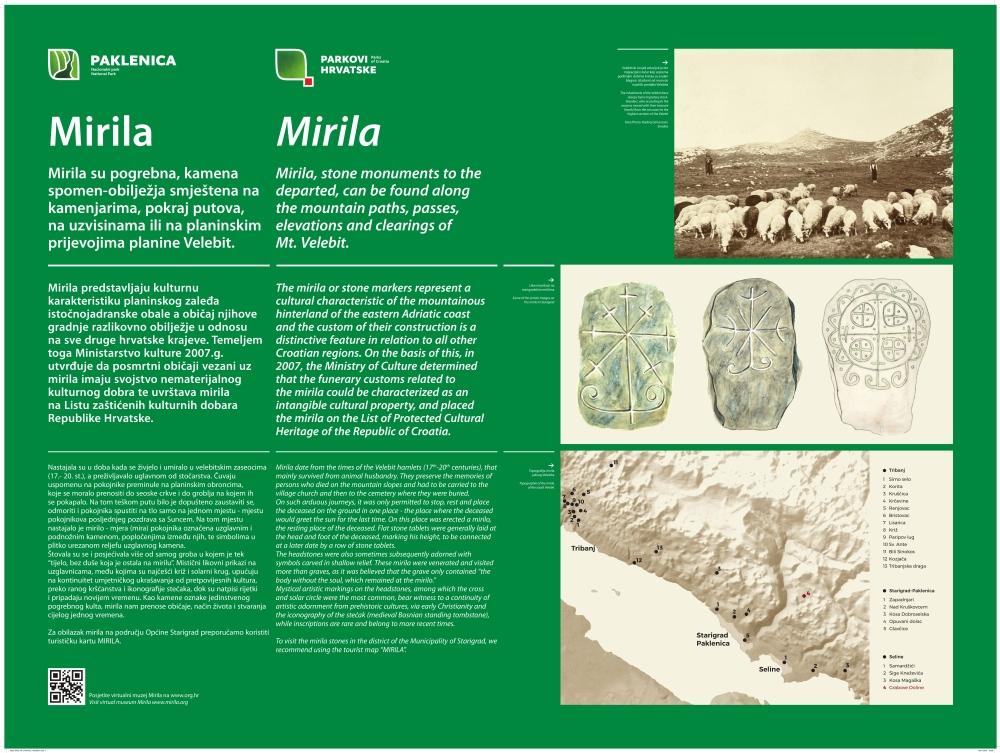
Mirila (Measures) are unique landmarks alongside the paths and trails of the Velebit Mountain. They were made in the period between the 17th and the 20th century, and are associated with a sepulchral custom of the local population who had to carry their dead to the cemetery because the church and the cemetery were far away. They consist of a headstone and a footstone, with paving between them. The length of the deceased was measured and marked with two stone tablets, so the measure was made after the deceased was buried. They were worshipped and visited more than the grave, where “only the body lies, without the soul that remained at the measure”.
 

Mirila, stone monuments to the departed, can be found along the mountain paths, passes, elevations and clearings of the Velebit Mountain. They preserve the memories of persons who died on the mountain slopes and had to be carried to the village church and then to the cemetery where they were buried. Today, Mirila are protected as the Intangible Cultural Heritage of the Republic of Croatia.

Visit exhibition "Mirila-resting places of the souls"  in ethno house Marasović in Starigrad-Paklenica. This is the exhibition about the stone markers of a unique funeral cult, which convey the customs, way of life and creativity of an entire era, in a contemporary interpretation of scientist and artist (Siniša ReberskiKrešimir RončevićRadivoj SimonovićTomo VinšćakMirjana TrošeljPetar i Josip StrmečkiJosip Zanki).


mirila


Site Grabove doline

There is preserved location with Mirila on the locality Grabove doline inside the Paklenica NP. These monuments are connected to the nearby settlement. 

Poučna staza Mirila

PLOČA TIP 8Tabla Mirila NP Paklenica 120x90cm 1

For more information, you can visit the Mirila Virtual Museum


07 February 2019

Traditional architecture

Written by

The arrival of Croats in this area began in the early Middle Age. The earliest preserved traces of their presence are the chapels of St. George (Sv. Juraj) in Rovanjska and the chapel of St. Peter (Sv. Petar) in Starigrad, built in the 9th or 10th century A.D. 

Chapel of St. Peter (Sv. Petar) in Starigrad

Two forts - Večka kula (on the cape just east of Starigrad) and Paklarić (on top of a long-abandoned prehistoric hillfort, overlooking the entrance to Velika Paklenica gorge) – were probably erected in the late Middle Age (14th-16th century).

Vecka kulaThe depiction of the ruins of Večka Tower during the Turkish wars (by Martin Stier, mid-17th century)

This era was followed by two centuries of war with the Turks. The population fled and the area at the foot of Velebit was completely abandoned. As the Turkish power began to fade, in 1671 the Venetian authorities began to populate the area of Starigrad with Bunjevacs, a Croatian population from the neighboring areas that were still under Turkish occupation. In 1700, the Turks finally retreated, and the area at the foot of South Velebit was annexed to Venetian Dalmatia.

People
The pastures and treatable land of Velebit, contained in karstic sinkholes, provided for the local population. Having adapted to the geographic and climatic environment, the residents mostly engaged in nomad stock herding, which is confirmed by mountain shepherd residences. The fact that many people stayed in mountain residences in the summertime is reflected in the ruins of numerous sacral buildings: churches, chapels, altars, holy hills and measures (mirila). The features of the area are also reflected in the traditional architectural style – namely, the cube roofs, concrete barrel-shaped roofs that have remained preserved on houses, economic facilities and mills along the stream of Velika Paklenica.

Distinctive roof architecture

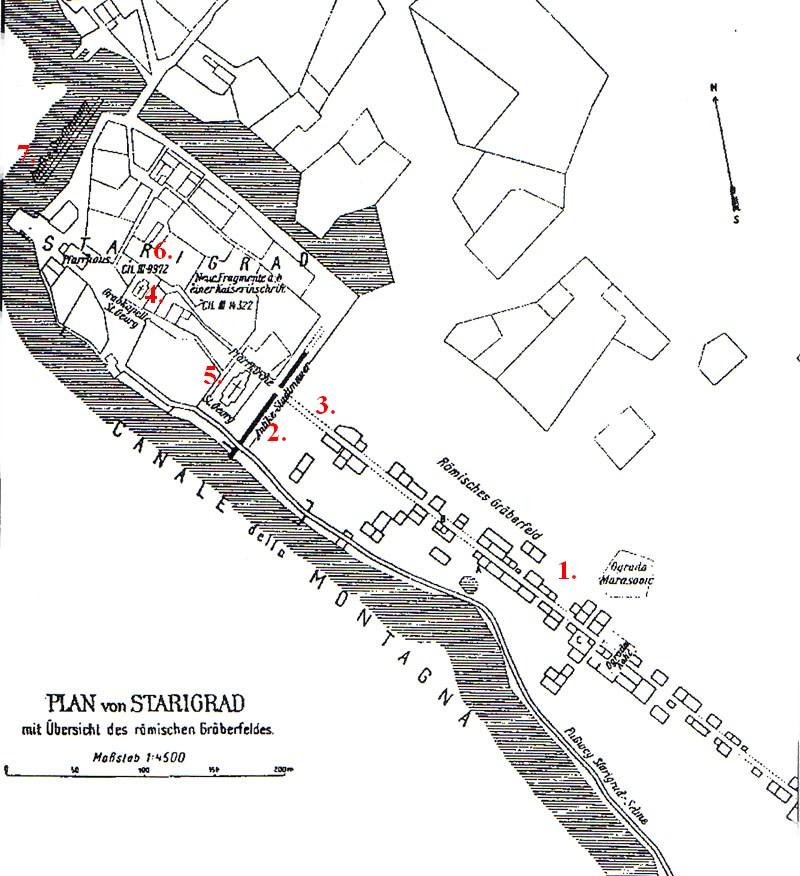
There are ten old settlements inside the National Park, which are now mostly abandoned:  Parići, Ramići, Kneževići, Katići, Škiljići, Jasenar, Rimenić, Jurline, Marasovići and Njive. Particularly interesting is the site Sklopina with the houses built into semi-faults.

Sklopina

Page 1 of 4
Image

Javna ustanova Nacionalni park Paklenica
Dr. Franje Tuđmana 14a
HR - 23244 Starigrad-Paklenica

Tel.: +385 (0) 23 369 155, 369 202 (Direction)

       +385 (0) 23 369 452  (Camp "Nacionalni park")
       +385 (0) 23 369 803 (Entrance 1 Velika Paklenica)


E-mail:
np-paklenica@paklenica.hr
prezentacija@paklenica.hr (info)

OIB: 24913665146
IBAN: HR0824070001100579272, OTP banka

Image

IZJAVA O ZAŠTITI PRIVATNOSTI I SIGURNOSTI OSOBNIH PODATAKA